
Journal / Article
Artisan Maximalism: How Bangalore Designers Are Bringing Handcrafted Indian Pieces Back Into Homes
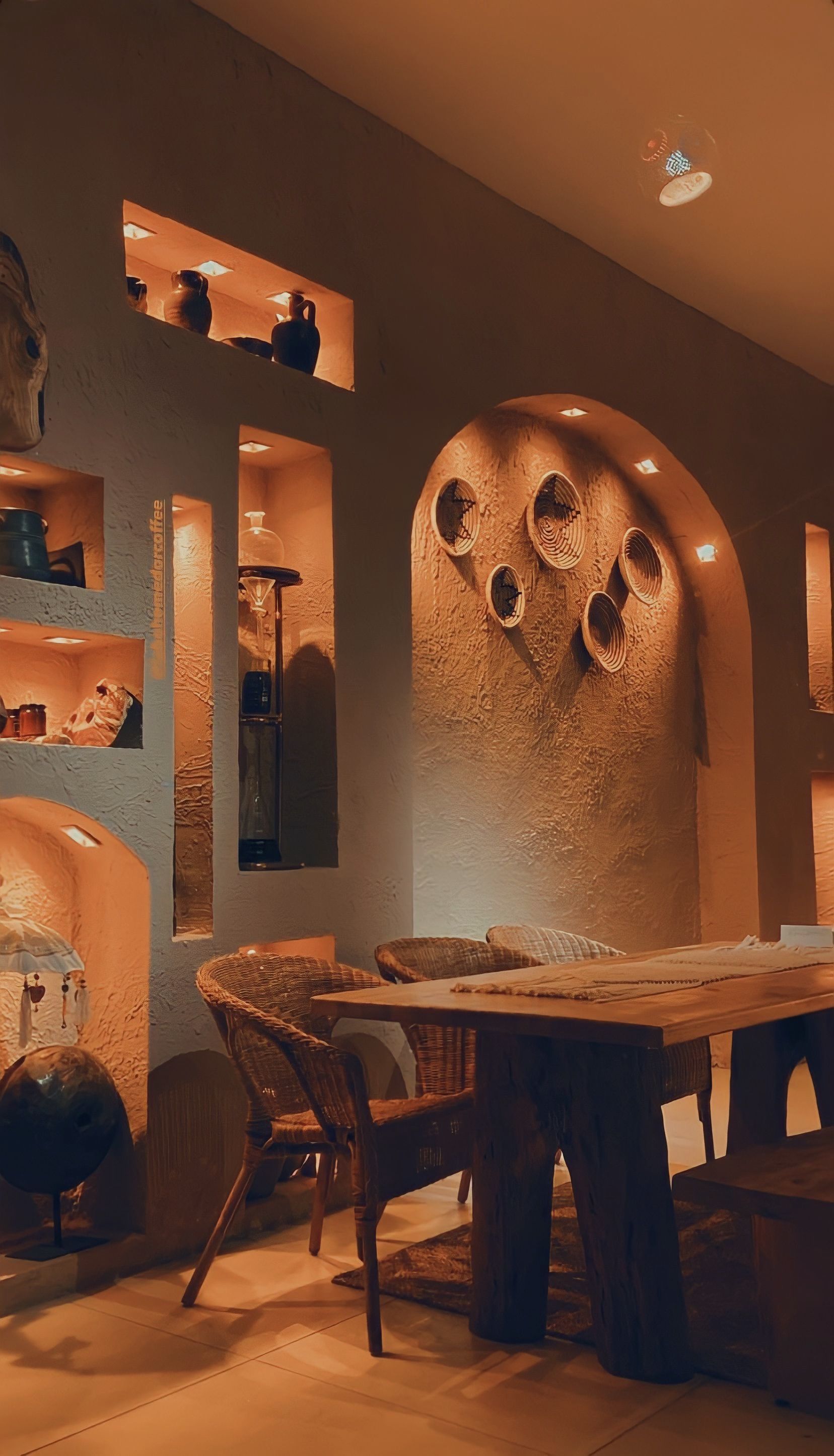
We've now written about several trends in this series that share a common thread without us initially setting out to make that the theme — a growing fatigue with mass-produced, templated interiors, and a real pull toward things that were actually made by someone, not printed or extruded identically a thousand times over. Artisan Maximalism is the most direct expression of that thread we've covered yet, and it's worth treating as its own trend rather than folding it into the others, because the driving idea here is specifically about layering — multiple handcrafted pieces, deliberately varied rather than matched, rather than the more restrained single-accent approach we've recommended for styles like Grandmillennial or Dopamine Décor.
What Artisan Maximalism Actually Is
Where most of the restraint-focused trends we've covered call for one or two considered pieces, Artisan Maximalism is built on layering — multiple handcrafted elements from different sources and traditions, brought together deliberately rather than matched into a uniform set. A hand-loomed textile alongside hand-thrown pottery alongside carved wood detailing, each with its own visible imperfection and provenance, rather than a single coordinated collection from one source.
The "maximalism" in the name refers to this layering and variety, not to visual clutter or excess for its own sake — the pieces are chosen deliberately, even if the overall effect is richer and busier than a minimal or restrained room.
Why It's Resurging in Bangalore Specifically
Bangalore has a genuine advantage here that's worth naming directly: the city and the broader Karnataka region sit close to a deep base of traditional craft — wood carving, weaving, pottery, metalwork traditions across the state and neighbouring regions that most metros further from these traditions don't have as readily accessible. A client in Bangalore genuinely has better access to authentic, locally-sourced artisan pieces than a client in a city without that same proximity to craft traditions.
The other driver is the same fatigue we've discussed in our Grandmillennial post — a decade of largely templated modular interiors has made handcrafted, visibly varied pieces feel personal and distinctive by comparison, precisely because they can't be reproduced identically.
Where It Shows Up Best
- Living rooms carry the layering approach most naturally — a room can genuinely hold several handcrafted elements (a textile, a carved piece, pottery or metalwork accents) without feeling cluttered, provided there's still a consistent underlying palette holding the variety together.
- Entryways and console areas are a strong, lower-commitment starting point — a single console styled with two or three genuinely handcrafted pieces introduces the aesthetic without requiring a full-room commitment.
- Dining spaces work well with handwoven table linens, hand-thrown serving pieces and a carved or artisan-finished table as the anchor, especially for clients who entertain and want the room to feel considered rather than showroom-uniform.
- Wardrobe and cabinet fronts can incorporate artisan metalwork hardware or hand-finished detailing as a smaller-scale entry point, similar to what we discussed in the Grandmillennial post.
Sourcing Genuine Craftsmanship (and Avoiding the Fake Version)
This is the part of Artisan Maximalism that matters most and gets the least honest coverage. A meaningful share of what's marketed as "handcrafted" or "artisanal" in furniture and decor retail is actually mass-produced with printed or moulded imitations of handcraft texture — this undermines the entire premise of the style, which depends specifically on genuine variation and provenance.
Worth being direct about our own scope here: we design and build the structural and cabinetry elements of a space — wardrobes, panelling, built-in furniture — and can incorporate genuine artisan hardware, inlays or finishing into that work. Sourcing standalone decorative pieces (textiles, pottery, freestanding artisan furniture) is generally outside what a woodwork studio provides directly, and we'd point clients toward genuine local craft markets, artisan cooperatives, and specialist decor sourcing rather than claiming that scope ourselves.
Mistakes to Avoid
The most common mistake is buying mass-produced "artisan-style" pieces instead of genuine handcraft — this is worth checking carefully, since printed or moulded imitations of woven or carved texture are increasingly convincing at a glance, and defeat the entire purpose of the style, which depends on real material honesty.
The second is layering without any unifying thread — Artisan Maximalism works because the variety is deliberate and held together by a consistent palette or material logic (natural fibres and warm wood tones throughout, for instance), not because anything handcrafted automatically looks good together. Without that underlying consistency, a room can tip from "considered layering" into genuine visual clutter.
What It Costs
Genuinely handcrafted pieces typically cost more than mass-produced equivalents, reflecting real artisan labour rather than a premium markup — this is worth going into with realistic expectations. Where WOODWORKS can help directly is the structural and cabinetry side (built-in pieces incorporating artisan hardware or finishing), which we price the same way as any custom joinery work.
For an accurate sense of what a specific piece of built-in work would cost, our estimate tool prices against your actual requirements; for standalone decorative sourcing, budgets vary considerably by piece and provenance and are best discussed directly with the specific artisan or craft source.
FAQs
Is Artisan Maximalism the same as Grandmillennial style? They're related but distinct — both value genuine craftsmanship over mass production, but Grandmillennial specifically references a grandparent's-generation material language (carved wood, cane, brass) with a nostalgic framing, while Artisan Maximalism is broader and more about deliberate layering of varied handcrafted pieces from multiple sources and traditions.
How can I tell genuine handcrafted pieces from mass-produced imitations? Genuine handcraft typically shows real, irregular variation — slightly different weave tension, visible tool marks in carving, minor asymmetry in hand-thrown pottery. Printed or moulded imitations tend to have suspiciously uniform "imperfection" repeated identically across multiples of the same item, which is a useful tell.
Does Bangalore actually have good access to authentic artisan sourcing? Yes, genuinely more than many other Indian metros, given the region's proximity to established craft traditions in wood carving, weaving, pottery and metalwork across Karnataka and neighbouring states.
Can WOODWORKS source standalone decorative pieces, or just built-in furniture? Our direct scope is structural and cabinetry work — wardrobes, panelling, built-in furniture — which can incorporate artisan hardware or finishing. Standalone decorative sourcing (textiles, pottery, freestanding furniture) is generally outside our direct offering, and we'd point clients toward genuine local craft sources for that.
Will a room with this much variety look cluttered? Not if the variety is held together by a consistent underlying palette or material logic — this is the key distinction between considered layering and genuine clutter, and it's worth planning deliberately rather than assuming any combination of handcrafted pieces will automatically work together.
Conclusion
Artisan Maximalism is the clearest expression yet, in this series, of a real shift away from templated sameness and toward visible, honest craftsmanship — and Bangalore is genuinely well positioned to do it properly, given its proximity to established Indian craft traditions. Done right, with real sourcing rather than mass-produced imitation, it's one of the more distinctive and personal directions a home can take.
CTA: Considering built-in pieces that incorporate genuine artisan hardware or finishing? Book a free consultation to talk through what's realistic, or explore cost for structural and cabinetry work through our estimate tool.
Planning a project of your own?
Tell us about your space and we'll reply within 24 hours with ideas and an estimate.
Book a Free Consultation