
Journal / Article
Sliding vs Hinged vs Walk-In Wardrobes: Which Fits Your Bedroom?
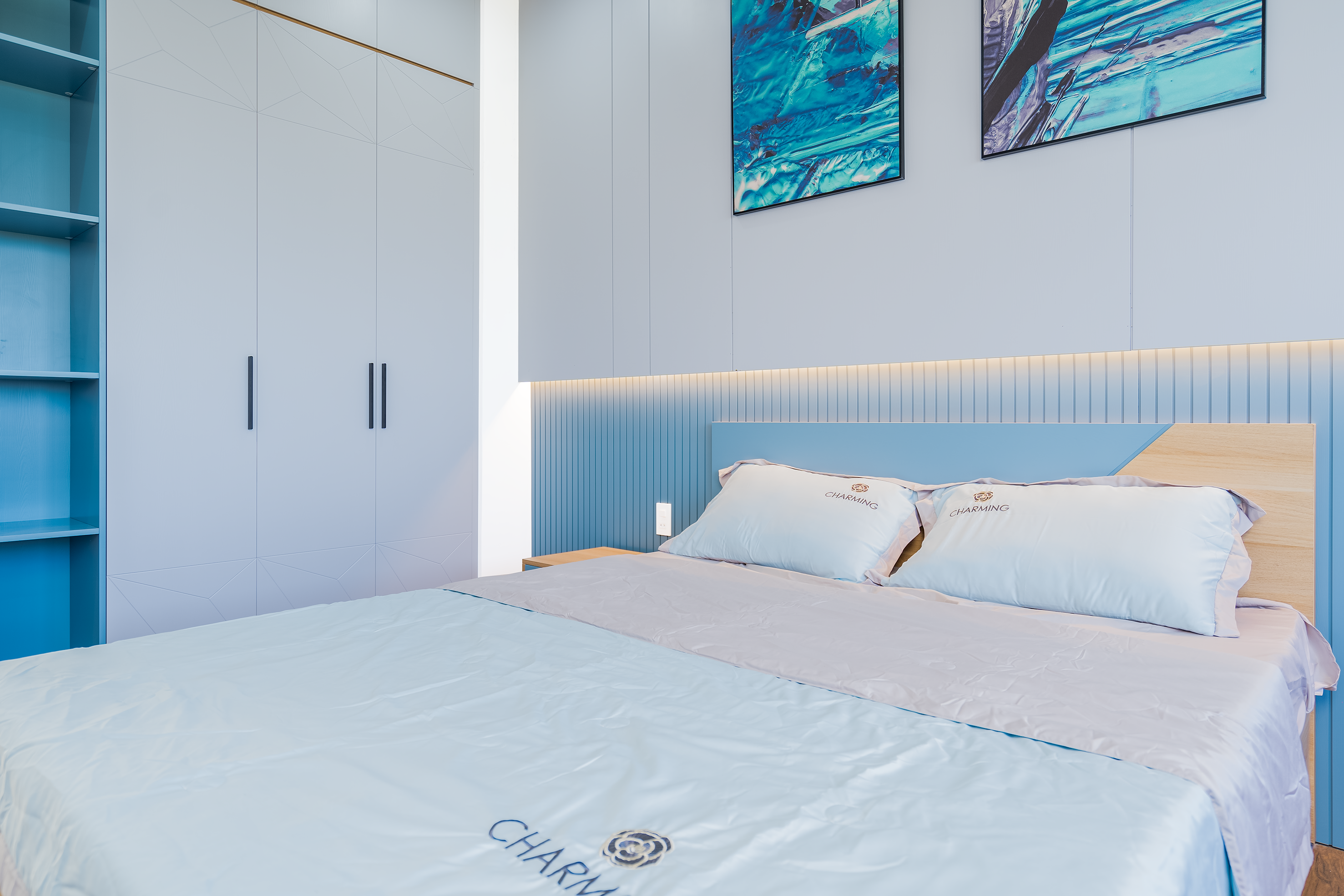
The wardrobe format decision — sliding, hinged, or a dedicated walk-in — shapes your bedroom layout more than almost any other single choice in the room. It's also a genuinely different question from what material or finish to choose (covered in our other wardrobe guides); this is about mechanism and format, and it deserves its own clear comparison.
TL;DR
Sliding wardrobes save floor clearance space (no door swing needed) and suit smaller or awkwardly-shaped bedrooms well, though they typically offer slightly less full-width access than hinged doors. Hinged wardrobes give full, unobstructed access to the entire interior at once but need clear floor space in front to open fully. Walk-in wardrobes are a dedicated space rather than just a cabinet — they offer the most storage and organization flexibility but need genuinely more square footage than most bedrooms have to spare. The right choice depends on room size and shape more than personal preference alone.
Sliding Wardrobes
Sliding wardrobe doors run on a track and move side to side rather than swinging outward, which means they don't need clear floor space in front to open — a genuine advantage in smaller bedrooms, or rooms where furniture placement (a bed, a desk) sits close to the wardrobe. This makes sliding doors a strong default choice for compact bedrooms and box rooms, which we've also touched on in our broader guide to wardrobe design for small spaces.
The Trade-Off: Sliding doors typically only expose one section of the wardrobe's width at a time (since one panel slides in front of another), so full-width access to everything at once isn't usually possible the way it is with hinged doors — this is a minor daily-use difference worth knowing about rather than a dealbreaker.
Hinged Wardrobes
Hinged wardrobe doors swing open on hinges, giving full, simultaneous access to the entire wardrobe interior at once — genuinely useful if you want to see and reach everything at a glance rather than sliding one section into view at a time. Hinged doors also tend to seal more completely when closed, which can be a minor advantage for dust and moisture consideration in a humidity-conscious material discussion (see our wardrobe material guide).
The Trade-Off: Floor clearance — hinged doors need clear space in front of the wardrobe to open fully, which matters more in a smaller or more furniture-dense bedroom layout than in a more spacious room.
Walk-In Wardrobes
A walk-in wardrobe is a dedicated space — either a small separate room or a clearly defined area within a larger bedroom — rather than a single cabinet unit with doors. It offers the most storage and organizational flexibility of the three options: dedicated zones for different clothing types, shoes, accessories, and often room for a small seating or dressing element that a standard wardrobe cabinet simply can't accommodate.
The Trade-Off: Space — a genuine walk-in wardrobe needs meaningfully more square footage than most standard bedrooms have to spare, which is why this format tends to appear more often in larger bedrooms, villas, or homes where a room has been specifically allocated for this purpose. Our walnut and glass walk-in wardrobe project in Whitefield is a real example of this format done well within a residential context — combining genuine storage organization with a considered material and finish approach rather than treating the walk-in as purely functional space.
Which Format Suits Which Bedroom
| Bedroom Type | Recommended Format | Key Reason |
|---|---|---|
| Small or Box Bedrooms | Sliding | Saves essential floor clearance space around beds and desks. |
| Standard-Sized Bedrooms | Sliding or Hinged | Flexible; pick based on layout room vs. desire for full-width interior visibility. |
| Master Bedrooms / Villas | Walk-In | Ideal if dedicated square footage can genuinely be allocated for modular flexibility. |
What Drives Cost Across the Three Formats
Rather than quote specific figures, it's worth understanding the real drivers:
- Sliding Wardrobes: Generally involve track and hardware costs that hinged doors don't, which can offset some of the simpler door construction.
- Hinged Wardrobes: Often the most straightforward construction of the three.
- Walk-In Wardrobes: Being a larger overall project (more total cabinetry and organization systems across a dedicated space) typically represent the largest total investment of the three, though this reflects genuinely more scope, not a higher per-square-foot premium.
For a specific number, our estimate tool prices against your actual room and format choice.
FAQ
Is sliding or hinged better for a small bedroom? Sliding is generally the more practical default for small or box bedrooms, given the floor-clearance advantage — no space needs to be reserved in front of the wardrobe for door swing.
Do I need a whole separate room for a walk-in wardrobe? Not necessarily a fully separate room — a clearly defined area within a larger bedroom can work as a walk-in wardrobe, provided there's genuinely enough space allocated for it to function well, rather than a cramped afterthought.
Which format offers the best daily-use access? Hinged wardrobes offer full, simultaneous access to the entire interior at once; walk-in wardrobes offer the most organizational flexibility overall; sliding wardrobes trade some full-width simultaneous access for floor-space efficiency.
Can I combine formats — sliding for one wardrobe, hinged for another — in the same home? Yes, and this is common — different bedrooms often call for different formats based on their individual size and layout, rather than one format being applied uniformly across a whole home.
Does format choice affect what material or finish I can choose? Not fundamentally — material and finish decisions (covered in our other wardrobe guides) are generally independent choices from door format, though certain finishes may be more commonly paired with certain formats in practice.
Conclusion
The right wardrobe format comes down to your room's actual size and shape more than personal preference alone — sliding for space efficiency in smaller rooms, hinged for full access where floor space allows, and walk-in where a dedicated area can genuinely be allocated. All three are real, well-established formats, not one being objectively "better" than the others.
CTA: Not sure which format suits your bedroom? Book a free consultation and we'll help you decide based on your actual room, or explore cost through our estimate tool.
About the Author
Vinit is the founder of WOODWORKS Interior. With over 10 years of experience working with fashion brands, he now leads a design-and-build studio creating custom home interiors across Bangalore.
Planning a project of your own?
Tell us about your space and we'll reply within 24 hours with ideas and an estimate.
Book a Free Consultation