
Journal / Article
Vastu-Compliant Wardrobe & Modular Kitchen Design: A Practical Guide for Bengaluru Homes
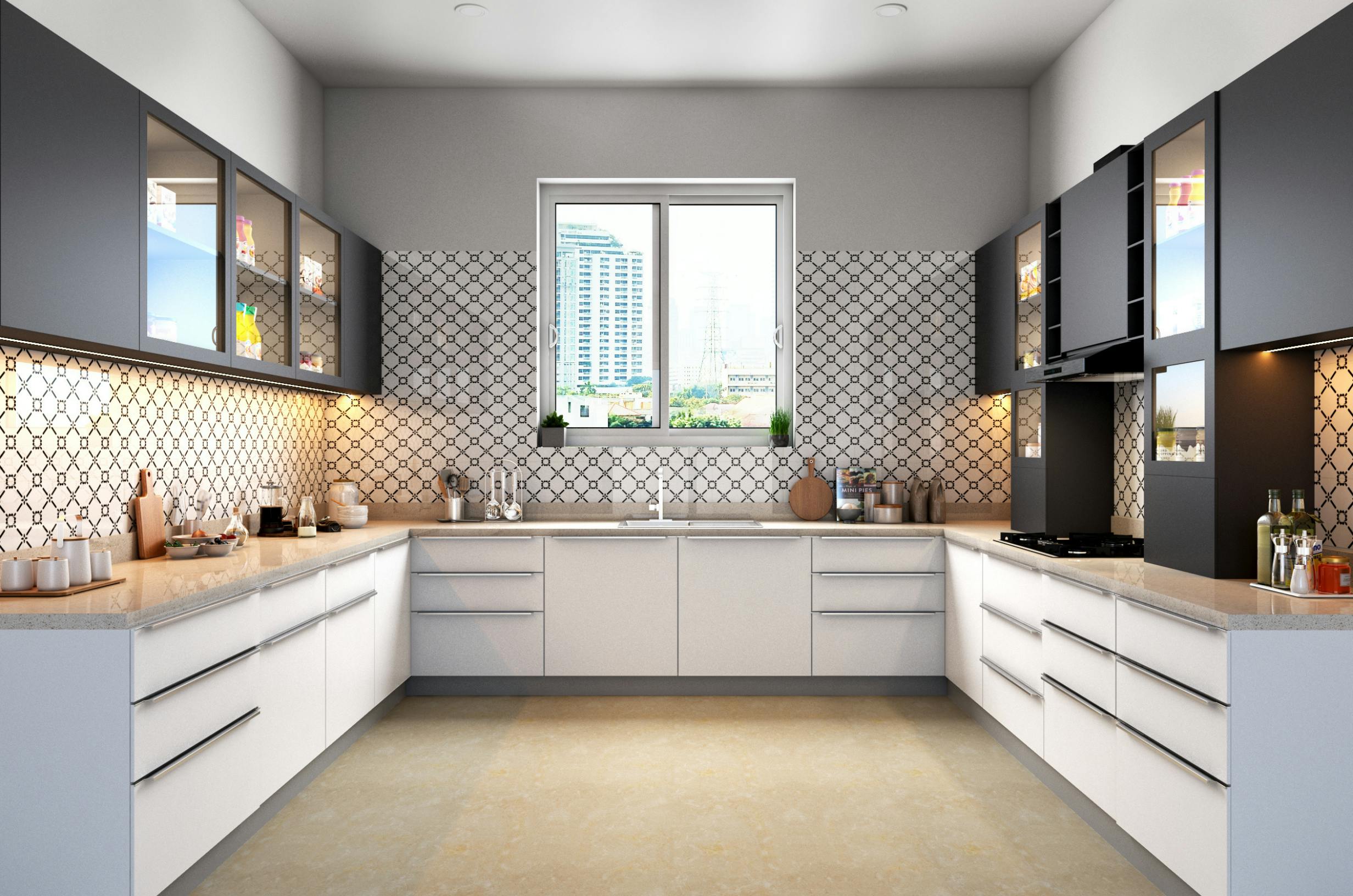
Vastu comes up in a large share of our consultations, often early in the conversation — and it deserves a real, practical answer rather than being brushed aside or treated as a box to tick. This guide covers the commonly followed vastu principles for kitchens and wardrobes, and — just as importantly — how they actually translate into the real, often-constrained layouts of Bengaluru apartments, where you don't always get to choose your kitchen's direction from scratch.
TL;DR
Vastu Shastra is a traditional system of architectural guidance widely followed by Indian homeowners; this guide presents commonly cited principles respectfully, without claiming they're scientifically proven. For kitchens, the south-east direction is most commonly cited as favourable, with the cook facing east while cooking. For wardrobes, south-west placement is commonly recommended, with mirrors typically kept separate from wardrobe shutters. In an existing apartment where you can't choose room direction, practical adjustments (placement within the room, storage layout, small design choices) are usually more realistic than full relocation — this guide covers both the traditional principles and the practical reality of apartment living.
An Honest Starting Point
Vastu Shastra is a traditional Indian system of architectural and design guidance, followed by a large number of homeowners as part of cultural and personal practice. This guide presents commonly cited principles as they're traditionally understood, respectfully and without claiming they're scientifically verified — that's not a judgment on the practice, just an honest framing, since presenting tradition as proven fact would be its own kind of inaccuracy.
The more practically useful part of this guide, especially for apartment dwellers, is what happens when the "ideal" direction isn't available — which is the reality for most people buying an already-built apartment rather than designing a home from the ground up.
Commonly Cited Vastu Principles for Kitchens
- Ideal Direction: The south-east direction is the most commonly cited favourable placement for a kitchen in vastu tradition, associated with the fire element. Where south-east isn't available, north-west is often cited as a secondary option.
- Cooking Orientation: The cook facing east while cooking is a commonly mentioned practice.
- Fire vs. Water: The kitchen sink and stove are often recommended to be kept apart rather than adjacent, reflecting the traditional water-fire separation principle.
Commonly Cited Vastu Principles for Wardrobes
- Ideal Placement: South-west placement is the most commonly cited favourable direction for a wardrobe.
- Mirror Considerations: Keeping mirrors separate from wardrobe shutters (rather than mirrored wardrobe doors) is a commonly mentioned preference in vastu guidance.
- Weight Distribution: Heavier storage is often recommended toward the south or west of a room, consistent with general vastu principles about weight distribution within a space.
The Practical Reality for Bengaluru Apartments
This is the part most vastu content skips, and it's genuinely the most useful section for anyone who's already bought or rented a specific apartment rather than designing a home from scratch: in most existing apartment layouts, you don't get to choose which direction your kitchen or bedroom faces — that's determined by the building's architecture.
Where the ideal direction isn't available, the practical options are generally:
- Adjusting placement within the room: Positioning the stove, cook orientation, or wardrobe placement as favourably as possible within the existing space.
- Targeting secondary guidance: Making specific smaller design choices that align with commonly cited secondary recommendations.
- Accepting a partial compromise: Incorporating other vastu-consistent choices (color, material, layout flow) elsewhere in the home.
This is a genuinely personal decision, and different homeowners land in different places on how much compromise feels acceptable — a good design conversation should accommodate that honestly rather than pretend every apartment can achieve a fully "ideal" vastu layout.
How This Fits Into a Real Design Conversation
If vastu compliance matters to you, it's worth raising explicitly and early in any design consultation — before layouts and cabinetry plans are finalized, not after. A competent design-build studio should be able to work within stated vastu preferences as part of the broader design process — positioning storage, cabinetry and layout choices to accommodate what's realistically achievable within your specific apartment's constraints.
This is a standard part of a good design conversation, not a specialized service requiring separate certification, though some homeowners do additionally consult a dedicated vastu specialist for their specific home, which is a reasonable and common approach for anyone wanting more rigorous guidance than general design accommodation provides.
FAQ
Is vastu compliance scientifically proven? Vastu Shastra is a traditional system, not a scientifically verified practice — this guide presents commonly followed principles respectfully as tradition, not as objectively proven fact. Many homeowners follow it as part of cultural and personal practice regardless of that distinction.
What if my apartment's kitchen isn't in the "correct" direction? This is genuinely the norm rather than the exception in most existing apartment buildings, where direction is fixed by the building's architecture. Practical adjustments within the room (stove placement, cook orientation) and other design choices are the realistic path forward, rather than expecting to change the room's actual direction.
Should I hire a separate vastu consultant, or can my interior designer handle this? A competent designer can generally accommodate stated vastu preferences within the design process. Some homeowners additionally consult a dedicated vastu specialist for more rigorous, personalized guidance — this is a reasonable choice if vastu compliance matters significantly to you, and not something this guide claims to replace.
Does vastu-compliant design cost more? Generally no — most vastu accommodations are about placement, orientation and layout choices within a design, not different or more expensive materials.
Can mirrored wardrobe doors really be a vastu issue? This is a commonly cited traditional guideline (keeping mirrors separate from wardrobe shutters). Whether to follow it is a personal decision — we can accommodate either preference in the design.
Conclusion
Vastu is a genuinely important consideration for a large number of homeowners, and it deserves a practical, honest answer — both the traditional principles as commonly understood, and the real constraints of apartment living where an "ideal" direction isn't always available. If vastu matters to you, raise it early in your design conversation so it can genuinely shape the layout, not just get addressed as an afterthought.
CTA: Planning a kitchen or wardrobe with vastu considerations in mind? Book a free consultation to talk through what's realistic for your specific apartment, or explore cost through our estimate tool.
About the Author
Vinit is the founder of WOODWORKS Interior. With over 10 years of experience working with fashion brands, he now leads a design-and-build studio creating custom home interiors across Bangalore.
Planning a project of your own?
Tell us about your space and we'll reply within 24 hours with ideas and an estimate.
Book a Free Consultation