
Journal / Article
Fluted vs Slatted vs Veneer Wall Panelling: Which Suits a Bengaluru Living Room?
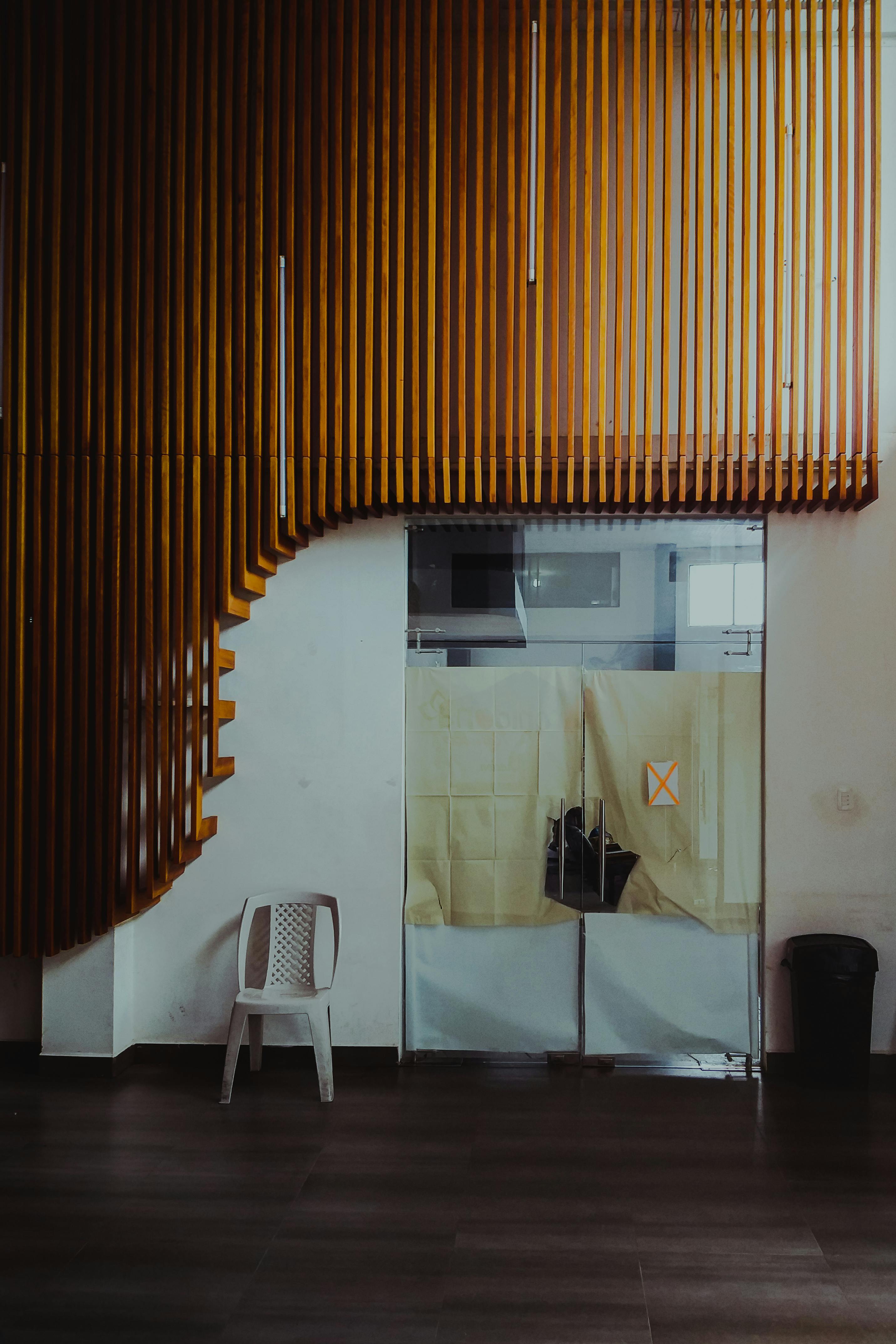
Wall panelling has moved from a niche, high-end feature to one of the most commonly requested living room upgrades we see — but "wall panelling" isn't one thing. Fluted, slatted and veneer panelling are genuinely different in look, construction and where they work best, and the terms get used almost interchangeably in a lot of inspiration content, which makes choosing harder than it needs to be.
TL;DR
Fluted panelling has rounded, continuous vertical ridges — a soft, sculptural look. Slatted panelling has flat, distinct vertical (or sometimes horizontal) strips with visible gaps — a more graphic, rhythmic look. Veneer panelling is a flat, seamless surface celebrating wood grain rather than ridges or gaps. All three can work beautifully in a Bengaluru living room; the right choice depends on the look you want, the wall's role in the room (accent vs full feature), and — genuinely — how each behaves practically, including some real acoustic-softening benefit from fluted and slatted profiles that a flat veneer surface doesn't offer.
What Each Type Actually Is
- Fluted Panelling: Has continuous, rounded vertical grooves running the length of each panel — a soft, sculptural, rhythmic texture. It reads as more organic and tactile than the other two options, and photographs with a distinctive shadow-play effect as light hits the rounded ridges.
- Slatted Panelling: Uses flat, distinct vertical (or occasionally horizontal) strips of wood with visible gaps between them, often over a contrasting or acoustic backing material. It has a more graphic, structured, rhythmic look than fluted panelling's softer curves — the visual effect comes from the repetition and the gaps as much as the wood itself.
- Veneer Panelling: A flat, continuous surface using real wood veneer, celebrating the wood's natural grain pattern rather than any ridge or gap texture. It's the most "quiet" of the three options visually — the material itself, not a manufactured pattern, does the visual work.
Which Suits a Bengaluru Living Room — By Look
- Fluted: Tends to suit rooms going for a softer, more organic overall style — it pairs particularly well with warmer, natural-material-forward looks (including the warm minimalism direction we've covered elsewhere) and works well as a bedroom or living room feature wall where a sculptural, tactile focal point is wanted.
- Slatted: Tends to suit a slightly more structured, modern aesthetic — it's a strong choice for a media wall or TV feature specifically, since the rhythmic vertical lines create a natural visual anchor without competing with the screen itself. Our Indiranagar project uses this approach for exactly this reason.
- Veneer: Tends to suit rooms where a calmer, more understated backdrop is wanted — it works particularly well when the room already has other visual interest (art, furniture, color) and doesn't need the wall itself to be the focal point, or in a Quiet Luxury-adjacent, restrained overall style.
Practical Differences Worth Knowing
| Feature | Fluted Panelling | Slatted Panelling | Veneer Panelling |
|---|---|---|---|
| Visual Texture | Soft, rounded vertical ridges | Graphic, distinct strips with gaps | Flat, seamless wood grain |
| Acoustic Benefit | Moderate sound diffusion | High sound diffusion | None (reflective flat surface) |
| Maintenance & Cleaning | Requires dusting within grooves | Requires dusting between gaps | Very easy (flat surface wipe-down) |
| Best Application | Accent walls, bedroom focal walls | TV/Media feature walls, partitions | Calm backdrops, full-room panelling |
Because of their ridged or gapped profile, fluted and slatted panelling offer some genuine acoustic softening compared to a flat surface — the broken-up profile diffuses sound rather than reflecting it flatly, which is a real, secondary functional benefit beyond the visual effect, particularly useful in a living room with hard flooring and minimal soft furnishing.
Veneer panelling doesn't offer this same acoustic benefit, since it's a flat surface, though it has its own advantage: it's generally easier to keep dust-free than a ridged or slatted profile, since there are no grooves or gaps to collect dust over time.
Real Projects in This Category
We've built both fluted and veneer/slatted-style panelling for real Bengaluru homes:
- Koramangala Bedroom: A fluted feature wall brings the soft, sculptural look described above into a real residential context.
- Indiranagar Living Room: A veneer and ply media wall demonstrates the calmer, grain-forward approach anchoring a media/TV wall specifically.
Both are genuine, completed projects, not renders.
What Drives Cost Across the Three Types
Rather than quote a specific figure here (our 2BHK cost guide already touches on panelling cost in the context of a full room budget), it's worth understanding what actually moves the number:
- Total wall area covered
- Material choice: Veneer grade, or the base material behind fluted/slatted profiles.
- Fabrication complexity: Fluted and slatted panelling generally involve more machining work per square foot than a flat veneer surface, which is typically reflected in relative cost between the three options.
For a specific number, our estimate tool prices against your actual wall dimensions and material choice.
Mistakes to Avoid
- Ignoring room lighting and proportions: Choosing a panelling style purely from an inspiration photo without considering the room's actual proportions and lighting is the most common mistake — fluted panelling's shadow-play effect, for instance, depends genuinely on how light hits the wall through the day, which varies by room orientation and window placement.
- Treating all three as interchangeable in quotes: Since fabrication complexity differs meaningfully between them, it's worth confirming exactly which type is being quoted and why, similar to the material-specification advice we've given elsewhere in our content.
FAQ
Is fluted panelling more expensive than slatted panelling? Both generally involve more fabrication work than flat veneer, given their machined profile; the specific difference between fluted and slatted specifically depends more on wall area and exact detailing than a fixed rule that one is always pricier than the other.
Does wall panelling actually help with room acoustics, or is that just marketing? Fluted and slatted panelling's ridged or gapped profile does offer genuine acoustic softening compared to a flat wall, since it diffuses rather than reflects sound — this is a real, secondary functional benefit, not just marketing language, though it's not a substitute for dedicated acoustic treatment if sound is a serious concern.
Can I mix panelling types within the same home? Yes, and it's a reasonable design choice — for instance, a fluted feature wall in a bedroom and a slatted or veneer treatment in the living room, chosen per room based on the look and function each space calls for, similar to how we approached our own Koramangala and Indiranagar projects.
Which type is easiest to maintain? Veneer, generally, since its flat surface doesn't collect dust in grooves or gaps the way fluted or slatted profiles can — though all three are reasonably easy to maintain with regular light cleaning.
Does the wall need to be structurally modified for panelling, or does it install over an existing wall? Wall panelling is typically installed over an existing wall surface rather than requiring structural modification, though the wall should be assessed for evenness and condition before installation — this is a standard part of the design and site-visit process.
Conclusion
Fluted, slatted and veneer panelling are genuinely different looks with different practical characteristics, not interchangeable versions of "wood on a wall." The right choice depends on the specific room, the look you're going for, and — for fluted and slatted specifically — a genuine, if secondary, acoustic benefit worth knowing about.
CTA: Curious which panelling style would suit your living room? Book a free consultation, or explore cost through our estimate tool.
About the Author
Vinit is the founder of WOODWORKS Interior. With over 10 years of experience working with fashion brands, he now leads a design-and-build studio creating custom home interiors across Bangalore.
Planning a project of your own?
Tell us about your space and we'll reply within 24 hours with ideas and an estimate.
Book a Free Consultation