
Journal / Article
Is Termite-Resistant Material Actually Necessary in Bangalore?
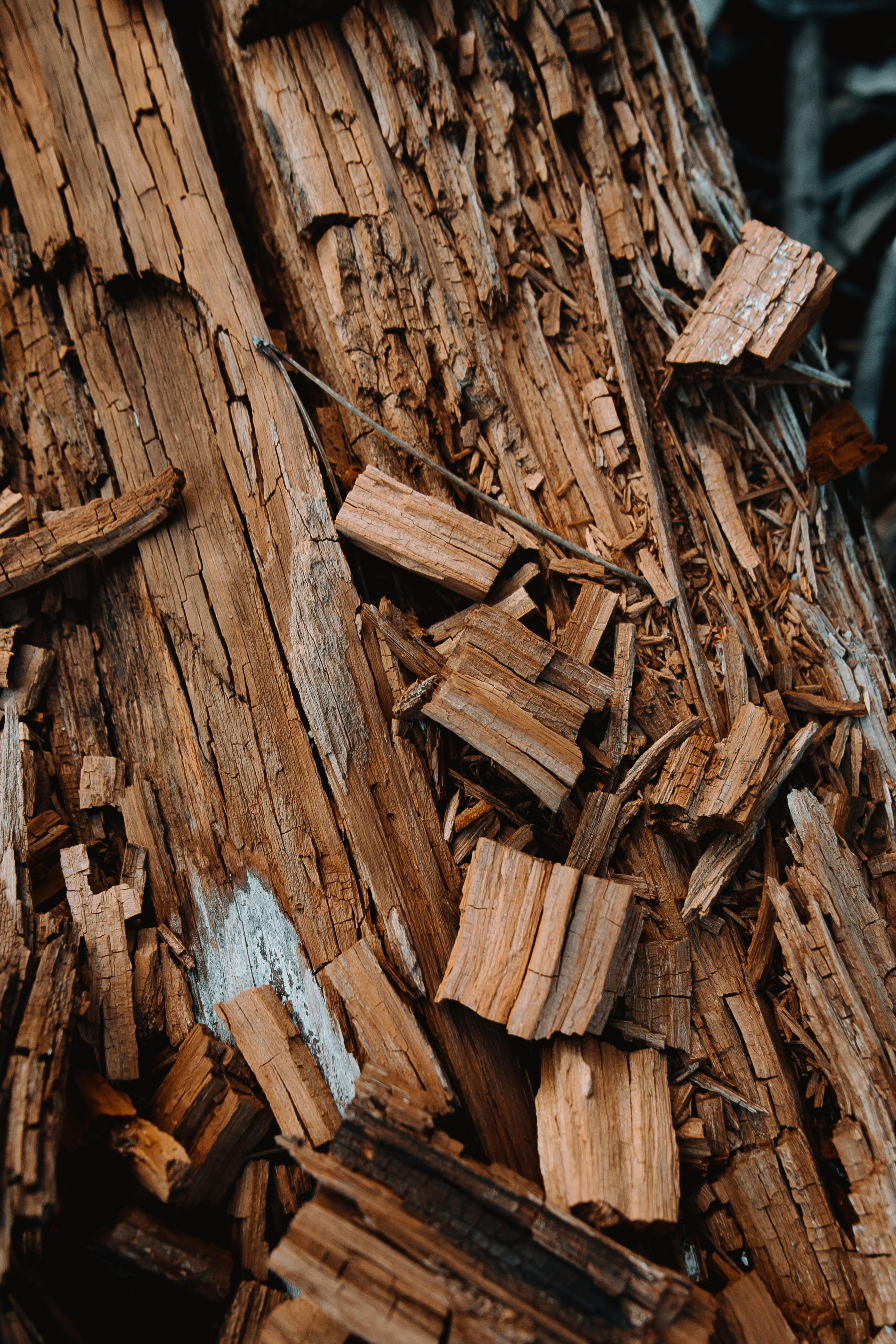
Almost every material conversation in this industry eventually reaches the same pitch: maximum termite protection, everywhere, because "termites are everywhere in India." That's technically true and also not a very useful answer — it doesn't tell you whether it actually matters for your specific home. This is an honest attempt at a real answer, not a sales pitch in either direction.
TL;DR
Bangalore's climate is genuinely classified as moderate risk for termite and moisture issues by material-industry sources, distinct from the higher-pressure conditions in coastal Karnataka, Kerala, and similarly humid regions. This doesn't mean termite risk is zero in Bangalore — it means the risk is more situational than citywide: ground-floor units, homes near gardens or significant landscaping, older construction, and areas with nearby standing water warrant real attention, while a typical mid-to-upper-floor apartment in a newer building faces meaningfully lower exposure. The honest recommendation is a situational assessment, not a blanket "maximum protection everywhere" default — which is often more about margin than genuine necessity.
What Actually Causes Termite Risk (General Context)
Termites need three main conditions to thrive:
- Consistent moisture
- A food source: Wood, particularly untreated or already-compromised wood
- An entry route: Soil or an existing colony connecting directly to the wood
This is why termite risk correlates strongly with ground-level proximity, consistent moisture, and existing wood in or near the ground — not simply with geography alone. A ground-floor apartment with a garden immediately outside genuinely faces different exposure than a 12th-floor unit in a newer high-rise building.
Where Bangalore Actually Sits, Climate-Wise
This is worth stating plainly rather than glossing over: Bangalore is classified by multiple material-industry sources as a moderate risk region for termite and moisture-related material issues, grouped alongside cities like Pune and Hyderabad. This is distinct from the maximum-pressure classification given to coastal Karnataka, Kerala, and similarly humid, high-rainfall coastal regions. Bangalore's relatively drier, more moderate climate compared to coastal India is the underlying reason for this classification.
This is genuinely useful information for a buyer, and it's worth being direct about why it's not more widely communicated: a citywide "you need maximum protection everywhere" narrative sells more premium material than an honest, situational one does. That doesn't make every mention of termite risk in Bangalore false — it means the honest version of the advice is more nuanced than the sales version.
Situations Where Termite-Resistant Material Genuinely Matters More
- Ground-floor units: Directly adjacent to soil and existing subterranean colonies, facing meaningfully higher exposure than upper floors.
- Homes near gardens or standing water: Nearby landscaping, soil, and moisture sources raise local risk regardless of broader city climate standards.
- Older construction: Older window frames, existing structural timber, or untreated vintage furniture can act as entry points to newer pieces installed nearby.
- Prior termite history: Homes with any history of termite activity, even if resolved, warrant more cautious material choices as underlying risk factors often remain.
Situations Where It Matters Less Than Marketing Suggests
A typical mid-to-upper-floor apartment in a reasonably modern Bangalore building, without significant nearby moisture sources or a history of termite activity, faces meaningfully lower exposure than the "maximum protection everywhere" pitch implies.
This doesn't mean using the cheapest possible material with zero consideration for durability — it means the marginal benefit of the highest-spec termite protection is genuinely smaller in this situation than in the higher-risk scenarios above, and that difference is worth factoring into where your budget actually goes.
How to Think About This for Your Own Home
Rather than a blanket yes/no, the honest approach is a short situational checklist:
- What floor is the unit on?
- Is there a garden, significant landscaping, or standing water nearby?
- Is the building new or older?
- Has there been any termite activity in the building or immediate area before?
A company willing to walk through these questions with you, rather than defaulting to a single answer regardless of your situation, is generally giving more honest guidance than one pushing maximum protection unconditionally.
What WOODWORKS Confirms
Our material line is premium plywood, natural veneers, solid wood, laminates and acrylic finishes, discussed and matched to your specific situation during consultation — including moisture and termite-relevant factors where genuinely applicable to your home. We don't have a specific termite-resistance product or treatment to name here beyond what's already documented on our site, and we'd rather say that plainly than imply a specific claim we can't back up.
FAQ
Does Bangalore have termites at all? Yes — termite presence isn't zero anywhere in India, including Bangalore. The relevant distinction is that Bangalore's overall climate classification is moderate risk, not the highest-pressure classification given to more humid coastal regions, and actual risk within Bangalore varies significantly by specific situation (floor level, nearby moisture, building age).
Should I skip termite-resistant material entirely if I'm on a high floor with no garden nearby? It's reasonable to weight this factor less heavily in that specific situation, though "skip entirely" isn't quite the right framing either — a baseline of reasonable material quality matters regardless, and situational factors should inform where extra spend goes, not eliminate consideration entirely.
Is a company that pushes maximum termite protection everywhere being dishonest? Not necessarily dishonest, but potentially not giving the most situationally accurate advice — some companies genuinely believe in a conservative, uniform approach, while others use it as a straightforward upsell. Either way, asking why a specific recommendation applies to your specific situation is a reasonable way to evaluate the advice you're getting.
What actually protects against termites better — material choice or building conditions? Both matter, but building conditions (moisture control, distance from soil/gardens, addressing any existing wood damage) are often more foundational than material choice alone — the best material choice can still be undermined by ongoing moisture issues in the building itself.
Does this mean I shouldn't ask about termite resistance at all? No — it's still a reasonable, worthwhile question to ask, just one that should get a situational answer specific to your home rather than a blanket citywide rule in either direction.
Conclusion
Termite risk in Bangalore is real but situational, not a uniform citywide maximum-alert condition the way some material marketing implies. The honest approach is assessing your specific situation — floor level, nearby moisture, building age, any prior activity — rather than defaulting to either extreme. A company willing to walk through that assessment with you, rather than giving the same answer to everyone, is generally worth trusting more on this specific question.
CTA: Want an honest assessment for your specific home? Book a free consultation, or explore material options through our estimate tool.
About the Author
Vinit is the founder of WOODWORKS Interior. With over 10 years of experience working with fashion brands, he now leads a design-and-build studio creating custom home interiors across Bangalore.
Planning a project of your own?
Tell us about your space and we'll reply within 24 hours with ideas and an estimate.
Book a Free Consultation